


Candy Flavor
Appearance: White Powder & Liquid
Stock: 100kg - 5000kg
Specifications: 500g/bucket, 25kg/bucket, or custom specifications upon request
Applications: Baking, Dairy Products, Confectionery, Beverages, Snack Foods
Candy flavors are a category of food flavors specifically designed and optimized for confectionery products. They do more than just provide taste; they must maintain flavor stability under the specific production conditions of candies (such as high-temperature cooking, acidic environments, and long-term storage). Candy flavors are the key component that gives candy its soul, enabling the creation of endless possibilities-from classic fruit tastes to complex beverage, dessert, and even innovative flavor profiles.
The core features and technical requirements of our Product include high heat stability, acid resistance, controlled flavor release, and high potency at low usage levels.
Main Flavor Types
The variety of candy flavorings is extremely extensive, covering almost every conceivable profile:
- Fruit Flavors: The most classic and extensive category. Examples include strawberry, orange, lemon, green apple, grape, peach, mango, and mixed tropical fruits.
- Dairy/Dessert Flavors: Such as vanilla, cream, caramel, milk, chocolate, nuts (peanut, hazelnut), coffee, and pudding.
- Beverage Flavors: Such as cola, soda, green tea, milk tea, and red wine.
- Sour Flavors: Specifically designed for "sour-coated" candies, such as sour plum, sour lime, and super sour powder. These blend perfectly with acidulants.
- Novelty & Creative Flavors: Such as bubblegum, cotton candy, rainbow candy, and even unique flavors like ginger, mint, or coriander.
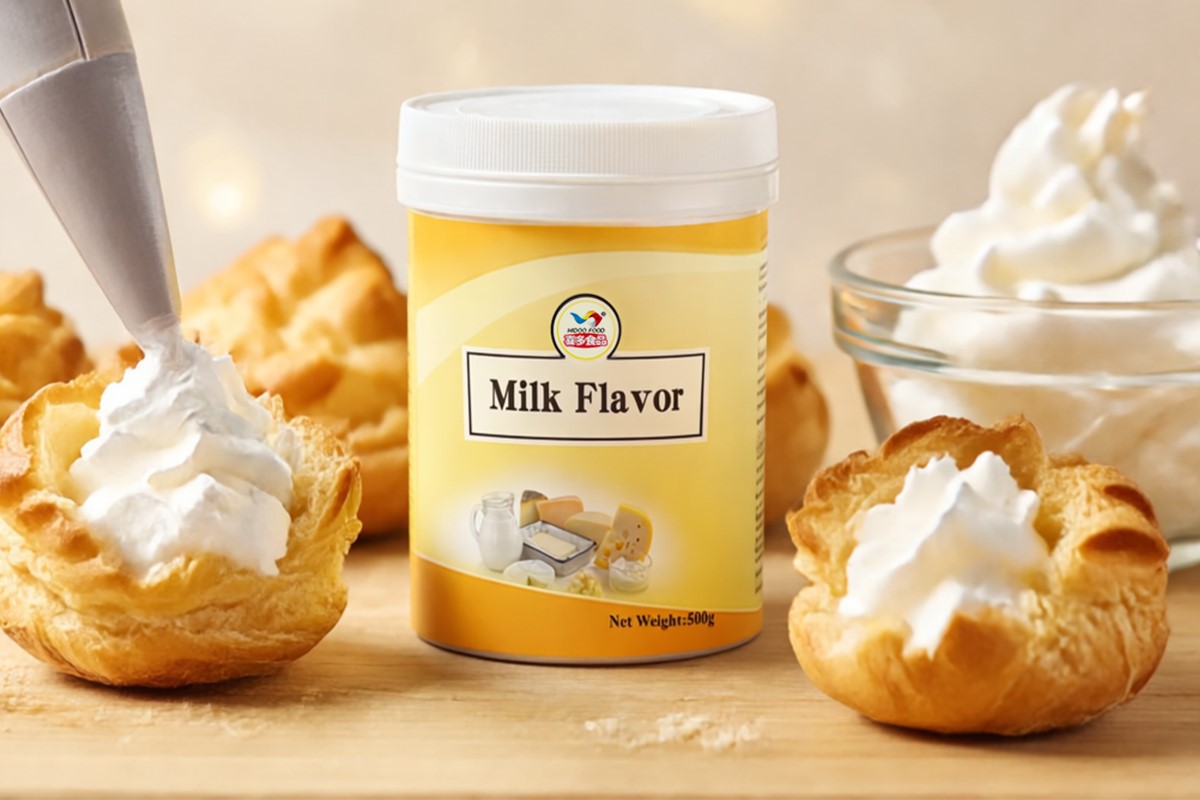
Application in Various Candy Products
1. Hard Candies
Process Challenge: High-temperature cooking (up to 160°C).
Flavor Selection: Must use heat-stable flavorings. They are typically added when the sugar mass has cooled to 80-90°C to minimize volatile loss.
Application Examples: Fruit lollipops, mints, lemon drops. Requires pure flavor and long-lasting aroma.
2. Gummies (including jelly candies and gummy candies)
Process Challenge: Contain moisture and acidulants, resulting in a low pH environment.
Flavor Selection: Require flavorings with good acid resistance. The flavor needs rapid release to provide a pleasant chewing experience.
Application Examples: Gummy bears (assorted fruit flavors), juice gummies, sour gel candies.
3. Toffees, Caramels, and Nougats
Process Challenge: Medium to high-temperature cooking; contain dairy fats and oils.
Flavor Selection: Oil-soluble or water-oil dispersible flavorings are preferable to better integrate with the fatty base. Dairy, caramel, nut, and chocolate flavors perform excellently in these candies.
Application Examples: Cream toffees, nut nougats, sea salt caramels.
4. Compressed Tablets
Process Challenge: Production occurs at room temperature, but sugar powder is absorbent.
Flavor Selection: Adsorbed or spray-dried powder flavorings are commonly used to ensure uniform mixing with sugar powder, avoid oil spots, and maintain good flowability.
Application Examples: Vitamin C tablets, peppermint breath mints.
5. Chewing Gum and Bubble Gum
Process Challenge: Requires prolonged chewing in a gum base and must tolerate saliva.
Flavor Selection: Require high-intensity, slow-release, chew-resistant specialty flavorings. Microencapsulation technology is often used to trap flavors, enabling slow release during chewing.
Application Examples: Peppermint chewing gum, fruit bubble gum.
6. Chocolate and Chocolate Products
Process Challenge: High fat content, which can easily mask flavors.
Flavor Selection: Oil-soluble flavorings are preferred, such as hazelnut, almond, orange, coconut, and rum. These complement chocolate's inherent flavor profile.
Application Examples: Nut chocolate, liqueur chocolates, flavored chocolate beans.
Usage Considerations
- Addition Timing: Add the flavoring as late as possible in the processing cycle when temperatures are lower, to maximize flavor retention.
- Synergy with Acidulants: First add and thoroughly mix the flavoring before introducing acidulants. This minimizes direct contact between the flavor and acid, thereby protecting the flavor profile.
- Balance with Sweeteners: The flavor concentration and sugar sweetness require precise balancing. In products containing high-intensity sweeteners (such as aspartame or sucralose), the dosage and flavor profile of the flavoring may need adjustment.
In summary, candy flavorings are a cornerstone of creativity in the modern confectionery industry. Through careful selection and scientific application, they transform simple sugars, gels, and acidulants into endlessly diverse and captivating treats, continuously meeting global consumers' pursuit of novel tastes and enjoyable experiences.
Hot Tags: candy flavor, China candy flavor manufacturers, suppliers, factory

